
Mud Ring Depth Errors That Can Slow Down Your Project
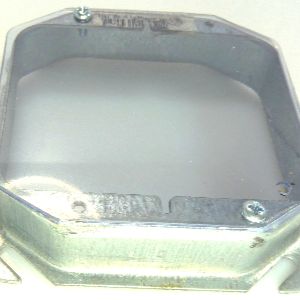
Mud ring depth errors in construction projects can cause costly delays, compliance headaches, and unnecessary rework. Understanding these common mistakes and how to avoid them is essential for contractors, construction companies, and even DIYers to keep projects on schedule and up to code.
The Importance Of Mud Rings In Construction
Mud rings, also called plaster or extension rings, play a vital role in making sure electrical boxes sit flush with finished wall surfaces. This proper depth ensures both a clean, professional look and safe electrical connections. Improper mud ring depth affects installation quality and can cause failures during inspections. Knowing their importance helps you avoid problems that slow your project.
Common Mud Ring Depth Errors & Their Consequences
A mud ring mistake often means redoing work, adding labor and material expenses, and putting your project timeline at risk. Unfortunately, several depth errors are common during mud ring installation:
- Incorrect Measurements: Failing to measure wall thickness correctly leads to rings that are too deep or too shallow.
- Improper Alignment: Misaligned mud rings may stick out or recess, causing outlet and switch installation issues.
- Non-Compliant Installations: Ignoring electrical code requirements on mud ring depth often results in failed inspections.
Ensuring Proper Mud Ring Installation
Correct mud ring installation is crucial for maintaining project timelines and ensuring compliance. Here are the steps to achieve this:
- Measure Wall Thickness Accurately: Include all finish materials like drywall or plaster when measuring.
- Position Mud Rings Precisely: The ring should be flush with the finished wall surface for safety and a polished appearance.
- Verify With Inspections: Conduct inspections during and after installation to guarantee compliance with local and national electrical codes.
Compliance With Electrical Code Standards
Adhering to electrical codes is paramount for safe and effective electrical installations. In the United States, the National Electrical Code (NEC) provides detailed guidelines on mud ring installation. Compliance ensures that your work passes inspections and contributes to overall building safety. Key guidelines involve:
- Ensuring the mud ring extends to the correct wall surface depth.
- Installing in a manner that securely supports the devices and reduces the risk of damage or electrical hazards.
- Using approved materials and methods to maintain grounding and prevent electrical faults.
The Challenges Of DIY Installation
While many aspects of construction can be successfully undertaken by skilled DIY enthusiasts, mud ring installation presents particular challenges. Lack of professional insight can lead to:
- Depth mismeasurement causes poor fits.
- Failure to follow safety codes creates dangerous conditions.
- Incorrect alignment results in difficult device installation and potential rework.
Correcting Improper Mud Ring Installation
If an improperly installed mud ring has already caused issues, correction is critical. The process involves:
- Assessing the depth or alignment errors carefully.
- Removing and replacing the mud ring with the correct depth.
- Scheduling follow-up inspections to confirm everything meets standards.
Avoiding Common Mud Ring Installation Mistakes For Smooth Projects
Preventing mud ring depth problems starts with thorough training for your installation team. Well-informed installers are more likely to measure and align mud rings correctly the first time. Regular quality checks during the installation process are also essential. Frequent verification of depth and alignment helps catch mistakes early before they cause costly delays.
Additionally, staying up to date with the latest electrical code changes and requirements ensures your work remains compliant and inspection-ready. Following these steps maintains productivity and guarantees every mud ring installation contributes to your project’s overall success.
Why Hiring Professional Installation Experts Pays Off
Hiring skilled professionals to handle mud ring installations brings several advantages:
- Experience: Professionals possess a depth of understanding of potential issues and solutions.
- Accuracy: Precision in measurement and alignment comes naturally to trained hands.
- Compliance: Professionals ensure that all work meets the necessary codes and standards.
FAQs About Mud Ring Installation
What Is The Main Purpose Of A Mud Ring?
It ensures electrical boxes are flush with the wall surface for safe and clean installations.
How Do I Choose The Right Mud Ring Depth?
Measure the total thickness of wall materials and use that measurement to select a mud ring that matches the required depth.
What Are Signs Of Poor Mud Ring Installation?
Look for misaligned rings, uneven outlets, or failed inspections.
Can Mud Rings Be Adjusted After Installation?
Minor adjustments might be possible, but major errors often require replacement.
Take Control Of Your Project With SmartGuard Covers
Mud ring electrical depth errors can stop your construction project in its tracks. By understanding these mistakes, following correct installation methods, and ensuring compliance with electrical codes, you can protect your timeline and budget.
Browse the SmartGuard website today to explore our selection of quality mud rings and installation accessories. Find the right products to help you avoid costly errors and keep your project moving forward smoothly.


