
Common Issues Caused By Unprotected Mud Rings
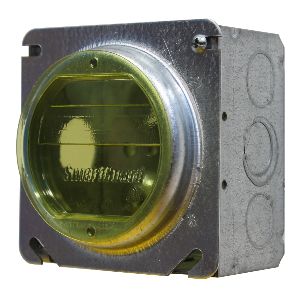
An unprotected mud ring can create costly problems during drywall installation by allowing dust, compound, and other job site material to enter the box and interfere with the electrical rough-in. What seems minor during the drywall phase can turn into serious problems later. When you understand the most common issues caused by exposed rings, you can improve outlet box preparation, reduce rework, and protect the quality of the installation.
Why Mud Ring Electrical Protection Matters
Strong mud ring electrical protection helps keep rough-ins cleaner and makes final installation easier. Without proper protection, such as mud ring covers, electricians often face extra cleanup, damaged components, and added labor before devices can be installed.
This is why rough-in electrical protection matters so much on active job sites. Protecting the opening early helps reduce contamination, preserve box condition, and support a smoother transition to trim-out.
How Drywall Debris In An Electrical Box Creates Bigger Problems
Unprotected mud rings can lead to fine material settling inside around wiring, creating electrical box debris that must be removed before switches, outlets, or other devices can be installed properly. In many cases, drywall dust in outlet box locations adds labor without adding any value to the project.
That extra cleanup may seem small at one location, but on larger jobs, it can become a real productivity drain. When multiple boxes need to be cleaned before trim-out, the result is slower installation and more avoidable labor.
Unprotected Mud Rings Lead To Electrical Box Contamination
An unprotected mud ring leaves the box exposed during a messy part of the construction process. Drywall dust, joint compound, and surrounding material can all contribute to electrical box contamination, especially when no cover is in place. Once contamination gets inside the box, you may need to stop and clear it out before moving forward.
This buildup also increases the chance of electrical rough-in problems later in the job. A cleaner box supports safer, faster device installation and reduces the risk of overlooked material affecting final fit and finish.
Bent Mud Rings & Physical Box Damage
Physical damage is another common issue. Drywall crews working around an exposed opening can bend the ring or damage the box through tool contact, pressure, or accidental impact. Even minor damage can make alignment harder during trim-out and create frustration when cover plates or devices do not sit correctly.
In more serious cases, crews end up dealing with damaged electrical boxes that need repair or replacement before final installation can continue. That turns a preventable job site issue into extra labor, added material costs, and schedule disruption.
Finish Problems Around Exposed Mud Rings
Some of the most visible mud ring drywall issues show up around the finished wall surface. When the opening is not protected well, the surrounding area may end up rough, uneven, or poorly defined. That can affect how cleanly the device sits against the wall and may leave the final installation looking less polished than it should.
These finish-related issues are easy to overlook early on, but they become more obvious during trim-out. A protected opening helps maintain cleaner lines and supports better overall finish quality.
Electrical Inspection Issues Start With Poor Protection
Messy or damaged boxes can also contribute to electrical inspection issues. Inspectors expect installations to be safe, accessible, and in proper condition. If contamination affects the box or damage interferes with final installation, corrections may be required before the work can move forward.
Those corrections can delay approvals and create unnecessary pressure late in the schedule. Good protection habits help reduce preventable inspection concerns and support a more job-ready installation from the start.
Smart Ways To Improve Outlet Box Preparation
Better outlet box preparation starts before drywall crews begin their work. Protecting the box opening early helps reduce contamination, limit damage, and maintain better installation conditions through the rough-in and finishing phases. It also helps crews avoid avoidable delays when it is time to install devices.
A few practical habits make a real difference:
- Use protective covers before drywall begins.
- Check that covers stay in place throughout the job.
- Inspect boxes before trim-out starts.
- Address contamination early before it spreads or hardens.
Prevent Mud Ring Problems Before Drywall Installation
Addressing the common issues caused by unprotected mud rings is crucial to maintaining safety, efficiency, and project success. By implementing effective strategies for mud ring protection and adhering to industry best practices, you can significantly reduce the risk of electrical damage and rework.
Our commitment to quality solutions empowers you to deliver projects that meet the highest standards of safety and reliability. Explore our mud ring covers today and trust us to be your partner in achieving optimal electrical and construction outcomes.


