
Coordinating Electrical Protection Across Multiple Trades
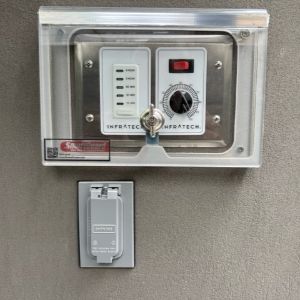
Coordinating job site electrical protection across multiple trades in the United States is essential for maintaining site safety, preventing damage, and keeping projects on schedule. On active job sites, overlapping scopes and shared work areas increase the risk of electrical components getting exposed to hazards like paint overspray, drywall mud, and concrete splatter.
Without clear coordination, these risks lead to construction coordination issues, rework, delays, and potential Occupational Safety and Health Administration (OSHA) violations. A structured approach to protection ensures electrical systems remain intact from rough-in through final trim-out.
Why Multi-Trade Workflows Create Electrical Risk
Modern construction relies on multi-trade construction workflows, where multiple crews operate in the same space across different phases. This overlap increases efficiency, but it also introduces risk when protection is not clearly defined.
Electrical systems often remain exposed while other trades complete their work. Painters, drywall crews, and concrete teams may unintentionally damage components if protection is not in place. The risks increase in shared work zones, where responsibility is unclear, and coordination breaks down.
Where Job Site Coordination Breaks Down
Many issues come from gaps in job site coordination, not from a lack of skill. When teams do not align schedules or responsibilities, electrical protection becomes inconsistent.
- Responsibility Gaps: No single trade takes ownership of protecting exposed electrical components.
- Scope Overlap: Multiple crews work in the same area without clear sequencing.
- Shared Work Areas: High traffic zones increase the chance of accidental contact or damage.
- Quality Control Breakdowns: Protection measures are skipped or removed too early.
How Damage Happens During Active Construction Phases
Electrical damage often occurs during routine construction activities, not major incidents. Small oversights during common tasks can create larger issues later in the project.
Painting overspray can coat outlets and panels, affecting performance and appearance. Drywall mud can clog openings and create cleanup issues during trim-out. Concrete splatter can permanently damage surfaces and require replacement. These issues lead to rework, delays, and added costs, especially when discovered late in the project timeline.
Planning For Electrical Scope Protection From The Start
Effective electrical scope protection starts with planning. Protection strategies should be built into the project schedule, not added as a last step.
- Phase Coordination: Align trade schedules to reduce overlap during sensitive installation stages.
- Defined Responsibilities: Assign clear ownership for protection at each phase.
- Protection Standards: Establish consistent methods for covering and safeguarding components.
- Pre-Task Planning: Identify high-risk activities before work begins in shared areas.
Managing Concrete Phase & Rough-In Protection
The concrete phase introduces unique risks for electrical systems. Vibration, debris, and splatter can affect conduit, boxes, and installed components.
Proper concrete phase coordination ensures electrical systems remain protected while structural work progresses. During rough-in, protection must stay in place until the surrounding work is complete. Failure to maintain rough-in protection often leads to issues during finishing stages, especially when components need to be cleaned or replaced before trim-out.
How Trim Out Delays Connect To Earlier Protection Gaps
Many trim-out delays trace back to earlier phases where protection was inconsistent or missing. When electrical components are damaged or contaminated, crews must spend additional time cleaning, repairing, or replacing materials. This slows project completion and creates scheduling conflicts with other trades. Addressing protection early helps avoid these delays and keeps final installation on track.
Reducing Risk In Shared Work Areas
Shared environments require extra attention to coordination and protection. High activity increases the likelihood of accidental damage, especially when multiple trades work simultaneously.
- Temporary Covers: Use durable covers to shield outlets, panels, and fixtures.
- Work Zone Separation: Define clear boundaries between active trades when possible.
- Inspection Checkpoints: Verify protection remains in place throughout each phase.
- Communication Between Trades: Ensure crews understand when and where protection is required.
Supporting Site Safety & Compliance
Proper job site electrical protection supports overall site safety and helps prevent OSHA violations. Exposed or damaged electrical systems create hazards for workers and increase liability for contractors.
Consistent protection reduces risk, improves inspection outcomes, and supports a safer work environment. It also demonstrates strong project management practices to stakeholders and inspectors.
Strengthen Electrical Protection With Smart Guard Covers
Coordinating electrical protection across multiple trades requires clear planning, consistent execution, and reliable protection solutions. Without it, projects face delays, damage, and avoidable safety risks.
Smart Guard Covers provides durable, purpose-built solutions designed to protect electrical components throughout every phase of construction. Equip your job site with reliable protection that supports coordination, improves safety, and keeps your project moving forward.


