
Dust Control Challenges During Demolition & How Box Covers Help
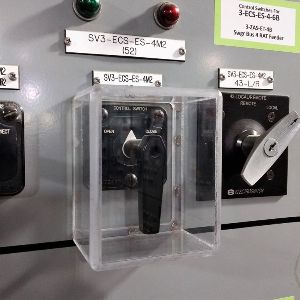
Across the United States, dust control during demolition plays a critical role in maintaining jobsite safety, protecting systems, and keeping projects on schedule. High dust loads generated during demolition can compromise air quality, damage materials, and create serious risks around exposed electrical systems.
Without proper dust suppression and containment strategies, airborne debris can quickly spread throughout the jobsite. This comprehensive guide explores the challenges of dust control during demolition and how box covers, such as gang box covers, can aid in this intricate process.
Understanding Dust Control Challenges
Demolition generates fine and coarse particles that move easily through the air, settling into open systems, surfaces, and equipment. This increases the complexity of dust control compared to standard construction-phase cleanup. Dust affects visibility, worker safety, system reliability, and overall project efficiency. When not properly managed, it interferes with ongoing work and creates avoidable hazards.
- Airborne Exposure Risks: Fine particles remain suspended and increase inhalation risks for workers.
- System Contamination: Dust enters electrical boxes, equipment, and mechanical systems.
- Jobsite Inefficiency: Cleanup requirements increase and slow down progress.
- Compliance Pressure: Regulations require active dust suppression during demolition.
Dust Suppression Strategies Improve Jobsite Conditions
Effective dust suppression requires a layered approach. Relying on a single method rarely provides consistent results across a demolition site. Combining suppression methods creates better overall coverage and helps reduce total dust load across the jobsite.
Water spraying remains a common solution, but it must be applied carefully to avoid runoff and material saturation. Fogging systems improve particle capture in the air, especially in large open environments.
Physical barriers also play an important role. Containment systems help limit dust migration, especially in occupied or adjacent spaces where exposure must be controlled.
Demolition Debris Containment Supports Cleaner Work Areas
Managing demolition debris directly impacts dust levels. Loose material, broken surfaces, and scattered debris continue to generate dust long after initial demolition work is complete.
- Netting & Shielding: Captures falling debris and limits spread beyond active zones.
- Controlled Removal: Scheduled cleanup prevents accumulation and secondary dust generation.
- Segmented Work Areas: Isolates demolition zones to contain dust within defined boundaries.
- Waste Handling Practices: Reduces dust release during transport and disposal.
Electrical Safety Risks Increase During Demolition Phases
Dust and debris present a direct risk to electrical systems during demolition. Open boxes, exposed wiring, and unfinished installations are highly vulnerable to contamination. When dust enters electrical components, it can lead to short circuits, overheating, and long-term reliability issues. This creates safety risks for workers and increases the likelihood of costly repairs or delays.
To address these risks, demolition phase electrical safety requires proactive protection. Shielding exposed boxes early prevents dust intrusion before it becomes a problem.
Gang Box Covers Provide Reliable Electrical Box Protection
Gang box covers offer a simple and effective solution for electrical box hazard shielding during demolition. These covers act as a physical barrier, preventing dust and debris from entering sensitive components. They’re especially valuable during early-phase construction protection, where electrical systems are installed but not yet finalized.
- Sealed Barrier Protection: Blocks dust infiltration into electrical boxes and outlets.
- Durable Construction: Withstands impact and harsh jobsite conditions.
- Fast Installation: Allows crews to quickly protect multiple boxes across the site.
- Reusable Design: Supports repeated use across different phases of construction.
Early Phase Construction Protection Reduces Rework
Protecting systems during demolition sets the stage for smoother downstream work. When electrical boxes and surfaces remain clean, installation and finishing phases move faster with fewer complications.
Early phase construction protection reduces the need for re-cleaning, troubleshooting, and repair. It also helps maintain project timelines by minimizing unexpected delays. As a result, taking preventive action at the demolition stage leads to more predictable outcomes throughout the entire build process.
Additional Dust Load Reduction Solutions
Beyond basic suppression methods, advanced dust control solutions can further improve jobsite conditions and efficiency.
- HEPA Filtration Systems: Capture fine particles and improve indoor air quality.
- Dust Monitoring Technology: Tracks airborne particle levels in real time.
- Eco-Friendly Suppressants: Reduce dust without introducing harmful chemicals.
- Airflow Management: Directs dust away from critical work areas and systems.
Improve Dust Control & Electrical Safety On Your Jobsite
Managing dust during demolition requires the right combination of suppression methods, containment strategies, and protective products. Addressing dust load early helps protect equipment, improve safety, and keep your project moving forward.
Smart Guard Covers provides gang box covers and jobsite protection solutions designed to support dust control and electrical safety during demolition and early construction phases. Explore our products and equip your team with reliable protection that performs in real-world conditions.


