
Core Drill Hole Covers For Multi-Story Construction Projects
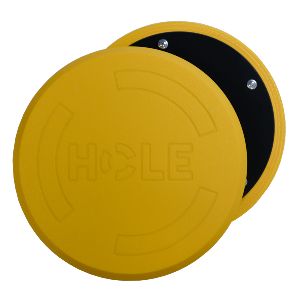
Core drill hole covers for multi-story construction projects in the United States help protect workers, trades, and site visitors from dangerous floor openings during active construction.
On busy job sites, even a small exposed core hole can create a serious fall protection hazard. Temporary hole covers give your team a simple, visible, and reliable way to manage these openings while plumbing, electrical, mechanical, and structural work continues.
Why Core Drill Hole Covers Matter On Busy Construction Sites
Core drilling creates openings for utility routes, drain lines, conduit, HVAC systems, and other building needs. These openings are common on commercial projects, renovations, modular construction, and multi-story construction sites.
The risk comes after the drilling crew leaves. Electricians, plumbers, painters, framers, inspectors, and general contractors may all move through the same area. Without a secure cover, an open hole can become a fall hazard, a trip hazard, or a dropped-object hazard.
Floor Openings Can Create Serious Safety Risks
Floor openings may look manageable when your crew knows where they are, but construction sites change throughout the day. Materials shift. Lighting changes. New trades enter the area. Workers move between levels. Common risks include:
- Trip Hazards: Uncovered or poorly covered holes can catch a boot, wheel, or tool cart.
- Fall Hazards: Larger openings can expose workers to lower levels on multi-story construction projects.
- Dropped Objects: Tools, fasteners, or debris can fall through floor openings and endanger workers below.
- Trade Coordination Issues: Multiple crews may work around the same openings without knowing who created them or when they’ll be used again.
OSHA Hole Cover Requirements Need Serious Attention
OSHA hole cover requirements should guide how you manage floor openings on construction sites. OSHA defines a hole as a gap that measures 2 inches or more in its least dimension. This applies to floor openings, roof openings, and walking or working surfaces.
OSHA also requires covers to support at least twice the expected weight of employees, equipment, and materials that may be imposed on the cover at one time. Covers must be secured to prevent accidental displacement and color-coded or marked with “HOLE” or “COVER.”
That means a cover needs to do more than sit over the opening. It should be strong, secure, visible, and appropriate for the work area.
Multi-Story Construction Demands Reliable Temporary Hole Covers
Multi-story construction creates repeated openings across floors, phases, and work zones. One level may be getting rough-in work while another level is being framed, painted, or inspected.
Reliable temporary hole covers help crews identify hazards quickly. They also reduce the chance that a cover gets kicked, dragged, or blown out of place. For project managers and site safety teams, consistent covers make it easier to manage openings across different levels of the building.
Smart Hole Cover Planning Starts Before The Drill
The safest approach is to plan for core drill hole covers before holes are cut. Your team should know how many openings are expected, where they’ll be located, and what kind of traffic will move through the area. Before core drilling begins, consider:
- Hole Size: Measure the opening and choose a cover with enough overlap for the application.
- Expected Load: Account for foot traffic, carts, equipment, materials, and nearby work activity.
- Surface Conditions: Consider whether the floor is concrete, decking, finished surface, or another material.
- Work Duration: Choose a solution that fits the amount of time the opening may remain active.
- Visibility Needs: Use markings or color contrast that workers can identify quickly.
Poorly Secured Covers Can Become Hazards Themselves
A cover that slides, flips, cracks, or blends into the floor can create a false sense of safety. Workers may trust the cover without realizing it has shifted or weakened.
Secure placement matters because construction sites are active environments. Cords, carts, pallet jacks, ladders, and foot traffic can move through the same pathway over and over. A dependable core drill hole cover should stay in position until someone intentionally removes it for work access.
What Makes A Strong Core Drill Hole Cover Work Better
The best temporary hole covers are practical, visible, and easy to use. They should help crews stay productive without adding unnecessary steps. Important features include:
- Secure Fit: The cover should resist accidental movement from workers, wind, or equipment.
- Load Strength: The cover should match the expected jobsite load and support OSHA compliance goals.
- Clear Marking: High-visibility markings help workers identify covered openings quickly.
- Durable Design: A cover should withstand repeated use in real construction environments.
- Simple Handling: Crews should be able to install and remove the cover without slowing down the work area.
Maximize Safety & Efficiency With Our Core Drill Hole Covers
For construction projects across the United States, ensuring worker safety and project compliance is paramount. Smart Guard’s expertly designed core drill hole covers offer the reliability and protection needed for peace of mind in multi-story construction. Explore our range of options to suit your project’s specific needs and enhance your site’s safety.


