
Installation Best Practices For Floor Hole Covers
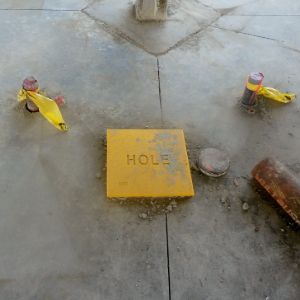
Installing floor hole covers is a crucial aspect of maintaining safety and compliance on construction sites across the United States. You should understand the best practices for floor hole cover installation to ensure they meet Occupational Safety and Health Administration (OSHA) standards and prevent workplace accidents. This guide outlines practical installation best practices that improve construction site covering safety while meeting regulatory expectations.
Understanding OSHA Requirements For Construction Hole Covers
Before installing any construction hole cover, it is essential to understand OSHA standards that govern how floor openings must be protected. OSHA defines a hole as any gap or opening at least two inches wide in a walking or working surface. This includes floors, decks, and platforms.
An OSHA hole cover must fully prevent access to the opening and remain secure under expected jobsite conditions. Covers must support significant weight loads, remain clearly visible to workers, and resist accidental movement caused by foot traffic, equipment, or environmental factors. Failing to meet OSHA requirements can expose workers to fall risks and lead to costly citations.
When Hole Covers Must Be Installed On A Jobsite
Construction hole covers must be installed as soon as an opening is created. They should remain in place until the hazard is permanently eliminated. Waiting until later stages of construction increases exposure risk and often leads to inconsistent protection.
Openings that require immediate coverage include floor penetrations for plumbing or electrical work. Temporary access openings also need protection. Unfinished stair or elevator shafts must be covered as well. Early installation helps establish safer work zones and supports consistent safety practices across the site.
Choosing The Right Materials For Floor Hole Covers
Selecting the proper material plays a major role in long-term performance and safety. The right choice depends on load demands, environmental exposure, and how frequently the area will be accessed during construction. Key factors to evaluate include:
- Load Capacity: Covers must safely support at least twice the maximum anticipated load from workers, tools, or equipment.
- Environmental Exposure: Outdoor or partially enclosed sites require materials resistant to moisture, temperature swings, and UV exposure.
- Material Type: Steel, engineered wood, and composite covers each offer different strength, weight, and handling characteristics.
- Project Duration: Longer projects may benefit from more durable, reusable cover solutions rather than temporary materials.
Proper Floor Hole Cover Installation Techniques
Correct installation is just as important as material selection. Even a strong cover can fail if it is improperly sized or loosely secured. Following these steps can help avert potential hazards:
- Pre-Installation Assessment: Evaluate the site for potential hazards and determine the appropriate size and material for each hole cover.
- Cover Placement: Position the cover over the hole precisely, ensuring it overlaps the edges sufficiently to provide a safe walking surface.
- Secure Fastening: Use screws or fasteners designed for the cover material to secure it firmly, preventing any shifting or lifting under pressure.
- Regular Inspections: Conduct routine checks of all covers to assess wear and integrity, replacing any cover that shows signs of damage or weakness.
Why Labeling & Visibility Matter
Clear labeling plays a critical role in construction site covering safety. OSHA requires that hole covers be clearly marked, so workers can easily identify hazards, even in low-light or high-traffic conditions.
High-contrast lettering and surface markings help distinguish covers from surrounding materials. Visibility becomes especially important on busy sites where multiple trades are working simultaneously, and conditions change throughout the day.
Routine Inspection & Maintenance Best Practices
Construction hole covers are not a set-and-forget solution. Regular inspections help confirm that covers remain secure, undamaged, and capable of supporting required loads.
Ongoing maintenance should include visual checks for cracking, warping, or fastener loosening. Covers exposed to weather should be evaluated more frequently, as moisture and temperature changes can degrade materials over time. Documenting inspections and corrective actions also supports compliance efforts and internal safety audits.
Common Challenges & Troubleshooting Tips For Installation
Despite best efforts, challenges can arise during the installation of floor hole covers. Here are solutions to common issues encountered on construction sites:
- Poor Fit: Custom-fabricate covers or adjust site measurements to ensure a secure, flush fit over irregularly shaped holes.
- Insufficient Load Support: Reinforce covers with additional bracings or choose higher strength materials if initial selections prove inadequate.
- Environmental Damage: Apply protective coatings or sealants to materials prone to degradation from moisture or UV exposure.
- Displacement Concerns: Double-check fastenings and consider supplemental anchoring if covers shift during regular site activities.
Supporting A Safety-First Jobsite Culture
Ensuring the effective installation of construction hole covers also involves fostering a safety-conscious culture among the workforce:
- Training Programs: Incorporate comprehensive safety training focused on the importance and application of hole covers at all staff levels.
- Emergency Preparedness: Develop and regularly practice emergency response procedures related to incidents involving floor covers.
- Safety Incentives: Encourage adherence to safety measures through reward systems that acknowledge exemplary practices and innovations.
- Feedback Mechanisms: Implement a system for employees to report safety concerns or suggest improvements, ensuring prompt responses to potential risks.
Protect Your Jobsite With SmartGuard Hole Covers
The successful installation of floor hole covers is non-negotiable for construction contractors committed to safety and efficiency. By understanding OSHA requirements, selecting appropriate materials, and maintaining rigorous installation standards, you can guarantee a safer work environment for your teams. At SmartGuard, we offer a range of innovative floor covering solutions designed to meet the highest standards of safety and functionality. Explore our products today to secure your next project.


