
When To Use Pin Style Vs Screw Style Temporary Outlet Covers
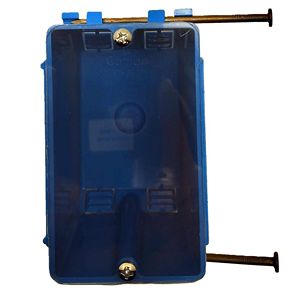
When to use pin style vs screw style temporary outlet covers depends on the stage of work, the device type, and how secure the cover needs to be while trades move through the space. A temporary outlet cover protects devices from paint, drywall dust, debris, and jobsite contact before final plates go on. The right style helps you move faster without leaving switches, receptacles, or boxes exposed.
Temporary Outlet Covers Solve A Different Problem Than Finish Plates
A finished outlet faceplate gives the wall a completed look after electrical trim-out. A temporary outlet cover protects the device during construction, pre-wire, prefab, drywall, painting, and punch work.
That distinction matters because you’re not choosing between decorative types of light switch covers. You’re choosing a temporary protection method that needs to fit the device, stay in place, and come off cleanly when the space is ready for final finish.
Pin Style Covers Are Built For Fast Protection
Pin style covers make sense when speed and simple removal matter most. The cover uses a mounting pin to hold it in place, so you don’t need to handle loose screws or spend extra time fastening each device.
This style works well when you need to cover many outlets or switches across a project. It can be especially useful during drywall, painting, dust-producing work, or short-term protection when the device already gives the pin a secure hold.
Screw Style Covers Add A More Secure Hold
Screw style temporary covers work well when you want a firmer attachment. The screw ties the cover to the device or box, which can help in busy areas where covers may get bumped, pulled, or handled by multiple trades.
A screw style cover can also make sense when the opening needs to stay protected longer. If the project has repeated trade traffic, rougher jobsite conditions, or more time between electrical rough-in and final trim, the added hold can reduce cover movement.
Match The Cover To The Device And Box
The first decision is the device configuration. A switch box cover, duplex outlet cover, Decora-style cover, GFCI cover, or light switch panel cover will not all fit the same way. You need the cover to match what is installed, not just the opening in the wall.
Outlet dimensions also matter. Standard outlet cover size language usually refers to finished wall plates, but temporary covers need to match the device shape and gang layout. A standard duplex receptacle, rocker switch, toggle switch, and larger multi-gang box all need the correct cover style.
Use Pin Style When Clean Speed Matters
Pin style covers are a practical choice when you want quick installation across repeated layouts. They help you protect devices while keeping the job moving.
You may lean toward pin style covers when the device is already installed, the environment is controlled, and the cover does not need to hold up against heavy contact. They also help when you need easy removal for inspection, testing, or final finish.
- Fast Installation Across Repeated Rooms
- Simple Removal For Inspection Or Trim
- Short-Term Protection During Paint Or Drywall Work
- Clean Visibility Of The Covered Device
- Less Time Handling Loose Fasteners
Use Screw Style When Security Matters More
Screw style covers make more sense when the cover needs a stronger mechanical hold. You may choose this style when the device is likely to stay covered for a longer period or when the jobsite has more contact around the box.
A screw style cover can help protect devices in high-traffic areas, exposed corridors, production spaces, and commercial projects where multiple crews work around the same openings. The extra attachment point can reduce shifting and help keep the cover where you put it.
- Longer Protection Windows
- High-Traffic Work Areas
- Commercial Or Industrial Projects
- Devices That May Be Bumped During Work
- Jobs Where Cover Movement Creates Rework
Gang Count Changes The Cover Choice
A single device opening is easier to cover than a larger multi-gang layout. Once you move into a double gang outlet cover, 3 gang outlet cover, or larger configuration, the cover needs to align with more devices and more attachment points.
Pin style covers can still work well in multi-gang settings when speed matters. Screw style covers can help when the larger cover needs added stability. The wider the cover, the more important it becomes to match the cover style to the actual box layout.
Pin Vs Screw Also Depends On Access Needs
Some temporary electric outlet covers block the device completely. Others allow limited access while still protecting the surrounding opening. That decision matters when power needs to stay available during parts of the project.
If an outlet must remain usable, choose a cover style designed for that access. If the device should stay protected and untouched until final work, a full cover may make more sense. Access needs should come before convenience because the wrong cover can slow inspections, testing, or trade work.
The Best Choice Protects The Device Without Slowing The Job
Pin style and screw style covers both have a place. Pin style covers help you move quickly and remove protection easily. Screw style covers give you a firmer hold when conditions demand it.
SmartGuard offers temporary outlet cover options for switches, outlets, and prefab gang box protection in multiple configurations. Choose the cover that matches your device, gang count, work stage, and jobsite conditions so your electrical work stays protected until final finish.


