
How To Build Electrical Panel Protection Into A Job Hazard Analysis
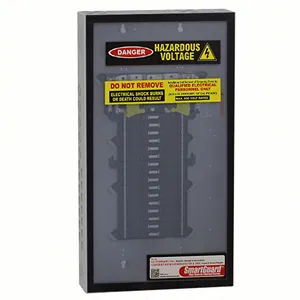
Building electrical panel protection into a job hazard analysis helps construction teams across the United States control exposure throughout each phase of work. Open or unfinished panel enclosures can expose wiring to contact, tools, paint, dust, moisture, and job site debris. A clear written process assigns responsibility for covering, inspecting, accessing, and restoring the panel as conditions change.
Break The Work Into Specific Tasks
A useful job hazard analysis examines individual tasks instead of treating electrical work as one broad activity. Separate panel installation, temporary power setup, circuit work, inspections, painting, drywall finishing, and final trim into distinct steps.
Each task can create different hazards. Electricians may need controlled access to the enclosure, while painters and drywall crews can introduce overspray, joint compound, dust, and tools near the panel. Breaking the work into steps makes it easier to select the correct controls.
Identify When The Panel Becomes Exposed
Panel protection shouldn’t begin only after someone notices an uncovered enclosure. Your JHA should identify when the panel enters the project, when crews remove factory packaging, and when electrical components become vulnerable.
Consider how other trades will work around the panel during each construction phase. A hallway panel may face frequent foot traffic, while one inside a utility room may encounter stored materials or equipment.
- Rough-In Installation
- Drywall & Finishing Work
- Painting & Surface Preparation
- Electrical Inspection
- Device & Breaker Installation
- Final Cover Installation
Match Controls To The Hazard
Your job hazard analysis should connect each identified hazard to a specific control. A temporary cover can help prevent unintended contact and keep construction debris out of the enclosure, but it doesn’t replace de-energization, lockout procedures, qualified-person requirements, or appropriate personal protective equipment.
Use electrical panel protection as one part of a broader construction safety plan. The selected controls should reflect the panel’s condition, location, accessibility, and electrical status.
Define The Temporary Cover Requirements
The JHA should explain what type of cover the project requires. Cardboard, plastic sheeting, tape, or scrap material can tear, shift, block visibility, or leave parts of the opening exposed. A purpose-built cover provides more consistent protection.
Clear electrical panel covers allow you to view the enclosure without removing the barrier for every visual check. The cover should match the panel opening, remain secure during normal jobsite activity, and tolerate expected contact with dust or finishing materials.
Your requirements should address the cover’s material, dimensions, attachment method, visibility, and condition. Replace any cover that tears, loosens, deforms, or no longer protects the full opening.
Assign Responsibility For Installation & Access
Electrical panel protection can fail when no one knows who owns the task. Your job hazard analysis form should identify who installs the temporary cover, who may remove it, and who confirms that personnel restores it after authorized access.
Coordinate these duties during the preconstruction process and daily planning. The electrical contractor may control access, but other trades still need to understand that they can’t remove or alter the cover.
- Person Responsible For Installation
- Personnel Authorized To Remove The Cover
- Required Steps Before Panel Access
- Person Responsible For Reinstallation
- Process For Reporting Damage
Add Panel Protection To The JHA Form
Whether you use a company template or an OSHA JSA form as a reference, the document should capture enough detail for the crew to act. Avoid vague entries such as “use caution” or “follow electrical safety.”
The entry should identify the task, hazard, protective measure, responsible person, and inspection point. For example, drywall finishing near an installed panel may create a contamination hazard. The control could require a fitted clear cover before work begins and a condition check at the end of the shift.
Electrical job safety analysis examples can help with structure, but copying a generic entry may miss the conditions on your site. Update the form for the panel type, project phase, nearby trades, and current electrical status.
Include The Cover In Daily Inspections
Conditions change quickly on active projects. A cover that fits securely in the morning can loosen after material movement, trade access, or accidental contact. Add the panel enclosure to daily safety observations and periodic electrical safety audits.
The inspector should confirm that the cover remains secure and that no one has punctured, cut, painted over, or partially removed it. The area around the panel must also remain accessible and free from stored materials.
- Complete Coverage Of The Opening
- Secure Attachment
- No Tears Or Punctures
- No Debris Inside The Enclosure
- Clear & Unblocked Access
Review The JHA With Every Affected Trade
A job hazard analysis for electrical work only helps when the people working near the hazard understand it. Review panel protection during orientations, pre-task meetings, and coordination discussions with affected trades.
Explain why the cover must remain in place, who may remove it, and how workers should report damage. Include painters, drywall crews, material handlers, and anyone else who may work near the enclosure. Revisit the JHA after schedule changes, panel activation, damage, or a near miss.
Improve Electrical Panel Protection On Your Site
A strong JHA connects the hazard to a clear control, responsible person, and repeatable inspection process. Smart Guard Covers offers durable clear electrical panel covers that help protect breaker boxes and load centers while maintaining visibility during construction. Review the available temporary cover sizes and order the panel protection your upcoming projects require.


