
How To Choose The Right Temporary Electrical Cover For Your Job
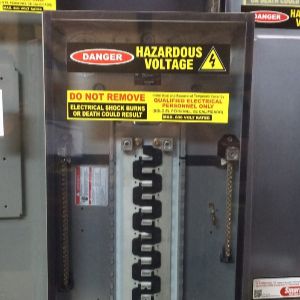
Choosing the right temporary electrical box cover is essential for maintaining safety and efficiency on active construction sites. You may need to protect outlets during drywall installation, shield an open junction box, or safeguard an electric panel. Understanding how to choose an electric panel cover and other temporary solutions helps prevent accidents and keeps projects running smoothly.
This guide explores the different types of covers, the materials available, and the key factors to consider when selecting the right option for your job site.
Understanding Temporary Electrical Box Covers
During construction or renovation, exposed electrical boxes create hazards for workers and equipment. Temporary electrical covers provide an extra layer of job site electrical protection by preventing accidental contact with live wires, blocking dust and debris, and helping contractors meet safety regulations. These covers are particularly important in unfinished areas where permanent plates are not yet installed.
By using the right cover, contractors reduce liability, minimize downtime caused by electrical incidents, and create safer conditions for every trade on the site.
Types Of Temporary Electrical Covers
Different covers serve different purposes. Knowing which type to use helps you avoid risks and protect your work environment.
Temporary Outlet Covers
Shields outlets during construction, especially in areas where drywall or paint work is in progress. These covers are quick to install and prevent dust or plaster from clogging receptacles.
Temporary Electric Panel Protection
Secures open panels to prevent accidental access to live circuits. Ideal for keeping workers safe when operating near energized equipment.
Temporary Junction Box Cover
Protects wire connections where multiple circuits converge. By using the right junction box cover, you maintain system integrity and avoid dangerous exposure.
Materials: Temporary Plastic Electrical Covers Vs. Metal Covers
The choice between plastic electrical covers vs. metal covers often depends on job site conditions.
Plastic covers are lightweight, affordable, and easy to install. They’re ideal for basic dust protection or for areas where the risk of impact is low. Many contractors use them for protecting receptacles during drywall installation or for quick coverage in low-traffic areas.
Metal covers, on the other hand, are stronger and more durable. They hold up in high-traffic zones or outdoor sites exposed to weather and equipment. For temporary electric panel protection or heavy-duty applications, metal is often the safer choice.
Benefits of Using Temporary Electrical Covers
Using the right temporary protection improves safety and keeps construction projects on track. Contractors see advantages such as:
- Safety Assurance: Lower risk of accidents and injuries on site.
- Code Compliance: Meet Occupational Safety and Health Administration (OSHA) and National Electrical Code (NEC) requirements to avoid penalties.
- Cost Efficiency: Reduce damage to wiring and receptacles, lowering repair or replacement costs.
- Project Efficiency: Minimize downtime caused by electrical hazards or delays.
Factors To Consider When Choosing A Temporary Electrical Cover
Not every project requires the same level of protection. When selecting a temporary electrical box cover, evaluate:
- Hazard Level: High-voltage panels and crowded job sites may require sturdier protection.
- Environment: Dust, moisture, or exposure to weather can influence whether you use plastic or metal.
- Frequency Of Access: If you need to remove covers often for inspections or testing, choose options that are easy to handle without sacrificing safety.
- Regulatory Compliance: Ensure the covers meet standards for temporary protection.
Best Practices For Installing Electrical Box Covers
Proper installation is just as important as selecting the right cover. To cover electrical boxes effectively:
- Check Sizing & Compatibility: A snug fit prevents gaps where debris or fingers could enter.
- Secure Fastening: Covers must be firmly attached to withstand vibration, wind, or equipment movement.
- Allow Access When Needed: Ensure authorized personnel can remove the cover quickly without damaging the box.
How To Protect Electrical Panels On Construction Sites
Panels are critical points of control, and protecting them should be a top priority. Contractors can improve safety by installing sturdy physical barriers, posting clear warning signage, and using lockable protection that limits access to authorized personnel. These steps create layered safeguards that keep panels secure even on busy construction sites.
Protecting Receptacles During Drywall Installation
Drywall crews often work quickly, and exposed receptacles can easily be damaged or clogged. Using temporary outlet covers made of durable plastic prevents dust, plaster, and debris from entering. Marking receptacle locations clearly before installation also reduces the risk of cutting errors or missed outlets. For high-volume projects, using bright, impact-resistant covers improves visibility and keeps receptacles clean until final finishing.
What To Use For Temporary Junction Box Cover
Junction boxes house multiple connections, making them especially important to protect. A good temporary junction box cover should be impact-resistant, clearly identifiable, and designed for quick installation. Many contractors choose brightly colored covers to improve visibility and signal caution to other trades on site.
Durability matters as well. Choose materials that won’t crack under pressure, especially in high-traffic areas where ladders, carts, or tools may come into contact with the box.
Common Scenarios & The Proper Solutions
Every construction job presents unique challenges. Here are examples of how different covers can be applied:
- Outdoor Sites: Use waterproof or weather-resistant covers to prevent rain or snow from entering.
- High-Traffic Areas: Select heavy-duty metal covers that can withstand repeated bumps from workers and equipment.
- Renovation Projects: Opt for covers that balance safety with accessibility, allowing trades to continue work without unnecessary delays.
Enhance Construction Site Safety With SmartGuard Covers
Temporary electrical protection is a must for safe and efficient construction. By choosing the right temporary electrical box cover, you prevent hazards, protect your workers, and keep projects on track.
SmartGuard covers are advanced solutions for contractors who need reliable temporary electrical covers. Whether you’re looking for outlet protection, junction box covers, or temporary electric panel protection, our products meet rigorous industry standards while simplifying installation. Explore our solutions today and see how SmartGuard Covers can help you improve safety and compliance on every job site.


