
How To Cap Conduit During Storage & Transportation
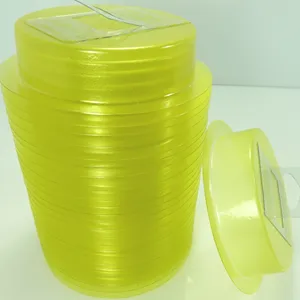
Capping conduit during storage and transportation helps you keep dirt, debris, and construction materials out of open raceways on projects across the United States. A properly fitted conduit end cap protects the opening while you move, stage, and prepare materials for installation.
Identify The Opening Before Choosing A Cap
A straight conduit end, expanded bell end, and coupling may require different protective covers. Check what you’re covering before ordering a PVC conduit cap, even when every component carries the same nominal size marking.
Nominal size isn’t the same as the measured inside or outside diameter. Fit also depends on whether the cover inserts into an opening or fits over it. Confirm the conduit material, schedule, and intended application against the cap’s product information.
Inspect & Clean Conduit Ends First
A pipe protection cap helps preserve a clean opening, but it doesn’t remove contamination already inside. Inspect both ends before fitting covers, particularly after unloading bundles or moving material through an active work area.
- Remove loose dirt and debris around the opening.
- Check for cracks, chips, or distorted ends.
- Inspect bell ends and fittings for damage.
- Confirm that the selected cap fits the opening correctly.
- Set aside damaged conduit for evaluation before use.
Protect Both Ends During Conduit Storage
Cap both exposed ends of each open length rather than covering only the side facing the work area. Dirt may enter from either direction as bundles are repositioned or materials are removed from storage.
Keep conduit on suitable supports and follow the conduit manufacturer’s storage instructions. A capped opening doesn’t protect the full length from bending, impact, excessive stacking loads, or unsuitable outdoor exposure.
Store different sizes where you can identify and retrieve them without repeatedly disturbing the entire stack.
Secure Conduit Independently Of Its Caps
End protection and load securement perform different jobs. A temporary cap covers an opening; it doesn’t restrain conduit on a rack or prevent a bundle from sliding. Prepare the load around the length, weight, and support requirements of the material.
- Support conduit to limit sagging and bending.
- Use suitable restraints without crushing the material.
- Keep projecting ends away from avoidable impact.
- Separate conduit from tools or cargo that could damage it.
- Follow vehicle, rack, and conduit manufacturer loading instructions.
Distinguish Carrier End Caps From Individual Conduit Caps
A conduit storage tube encloses lengths of conduit inside a larger carrier. Its closures protect access to that container, while individual conduit caps protect the raceway openings themselves.
Conduit carrier end caps need to match the carrier’s dimensions and closure system. If you’re assembling a conduit carrier kit, follow its specified tube, mounting, and hardware requirements. Don’t substitute a temporary push-in conduit cap for a carrier closure designed to retain material during transportation.
Use Locking Closures For Their Intended Purpose
A locking PVC cap or lockable carrier closure may help control access to stored material. Its usefulness depends on the complete carrier assembly, including the mounting system, hinges, latch, and lock.
Check whether the product is intended for your carrier and transport conditions. A lock doesn’t establish weather resistance or a load rating, and a locked carrier doesn’t confirm that the conduit inside is clean. Inspect the contents as well as the closure.
Recheck Caps After Loading & Unloading
Handling creates opportunities for protective covers to loosen, disappear, or collect debris. Make cap checks part of each material transfer so an exposed opening doesn’t remain unnoticed until installation.
- Inspect exposed ends after loading the vehicle.
- Confirm that carrier doors and closures are secured.
- Check caps when unloading at the job site.
- Replace covers that are cracked or no longer fit.
- Keep spare caps with your conduit handling supplies.
Protect A Conduit Stub Up Between Work Phases
An exposed conduit stub up needs attention after installation as well as during material staging. Open ends may collect concrete, soil, or debris while other trades work nearby. Fit the appropriate temporary cover and keep the location identifiable.
For underground PVC conduit, distinguish temporary debris protection from any specified sealing requirement. A removable construction cap isn’t automatically a watertight, pressure-rated, or permanent seal.
Remove Covers Without Reintroducing Debris
Check the opening again when you remove a cap for installation or access. Keep reusable covers where they won’t collect dirt, and recap open ends when work pauses. A consistent removal process helps preserve the protection you maintained during storage.
- Inspect the cap and opening before removal.
- Remove the cover using the specified method.
- Keep loose debris from falling into the conduit.
- Store reusable caps in a clean container.
- Replace protection on openings that remain unfinished.
Choose Conduit Protection That Fits Your Work
Smart Guard Covers provides PVC conduit and fitting caps designed to help keep dirt, debris, and concrete products out of compatible openings. Our high-visibility yellow caps make covered ends easier to identify during job-site checks.
Review the available sizes and Schedule 40 PVC compatibility, then order online or contact us for help selecting covers for your storage, transportation, and construction needs.


